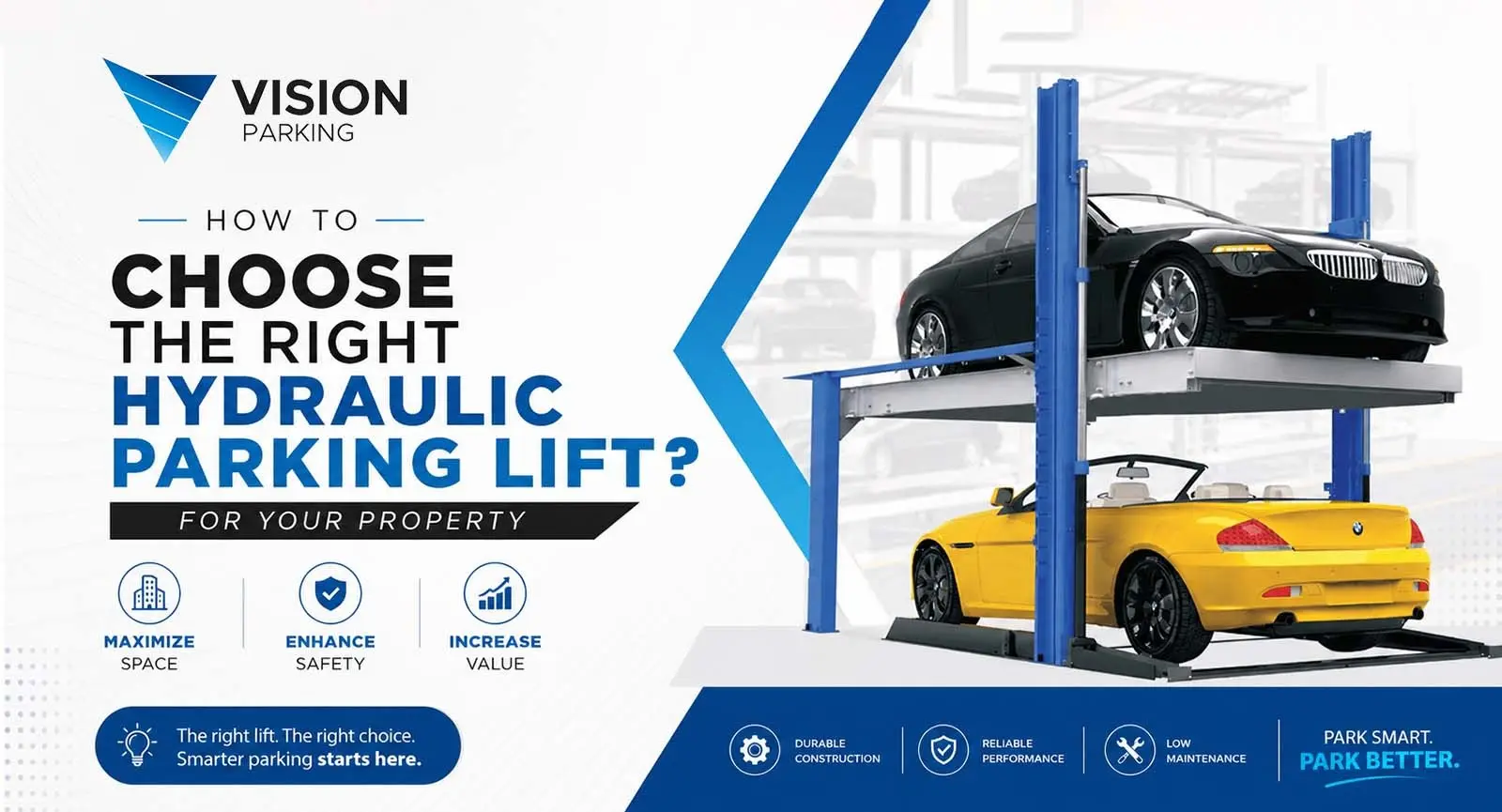
Parking has turned into a problem for a lot of property owners. Doesn’t matter if it’s a homeowner needing space for one extra car, or a building manager juggling fifty vehicles, the issue is the same. Land isn’t getting cheaper, and most properties just don’t have space to spread out anymore. That’s basically why hydraulic parking lifts have caught on so much. Instead of needing more ground space, you stack vehicles vertically. Sounds simple enough, but picking the right one takes a bit more thought than grabbing whatever’s available at the nearest shop. Capacity, height, type- get any of these wrong, and you’ll likely be spending more money fixing it later. Let’s go through what actually matters before you buy one.
Why So Many Properties Are Switching to These Lifts?
Finding a parking space hasn’t gotten any easier, especially in cities where land prices keep rising every year. Builders and homeowners are now looking up instead of out, basically using height since they can’t get more ground.
A hydraulic parking lift can double, sometimes even triple, your existing parking space without needing extra land. That’s the whole point of it.
A few reasons this has caught on so fast:
- Land prices in cities have pushed people to make use of vertical space instead
- Apartment buildings need more parking without expanding their footprint
- Commercial buildings want to offer parking as a perk for tenants
- Homeowners with single-car garages want space for a second or third vehicle
It’s gone past being just a convenience now. For a lot of properties, it’s turned into something close to a necessity.
Types of Hydraulic Parking Lifts
Not every lift works the same, and picking the wrong type is honestly the most common mistake people make here. Different types of hydraulic parking lifts are:
Two-Post Hydraulic Lift: The simplest version, two posts holding up a platform that lifts one car above another. Works fine for basic two-car stacking in homes or small buildings.
Four-Post Hydraulic Lift:
A bit sturdier, usually used when vehicles need to stay parked safely for longer stretches. Costs a little more but gives better stability in return.
Scissor Lift Style:
Folds in a scissor-like motion, works well where ceiling height is limited. You’ll see these a lot in tighter parking structures with low headroom.
Multi-Level Stacking Systems:
For commercial buildings or big apartment complexes, these stack three or more cars vertically. Need more planning and a bigger budget, but they solve serious space problems when nothing else can.
Benefits of Hydraulic Parking Lift
Like most equipment, these lifts come with benefits, but also a few limitations you should know before committing.
What’s Good About Them?
- Doubles or triples parking capacity without needing extra land
- Works for homes and commercial properties both
- Faster to install compared to building new parking structures
- Adds to property value, especially in cities short on space
- Comes in different configurations depending on your space and budget
Knowing these beforehand helps you set the right expectations instead of getting caught off guard later.
What to Actually Check Before Buying?
Choosing a hydraulic parking lift isn’t just about grabbing the cheapest one you find. A few practical things decide whether it’ll actually work for your property. The following are the things to check before buying:
Ceiling Height and Space:
Most lifts need a minimum clearance, usually somewhere between 9 and 12 feet, depending on the model. Measure this first, before you get attached to a specific design.
How Much Weight It Can Handle:
Lifts come rated for certain weight limits, commonly between 2,000 and 6,000 kg, depending on the model. Buy based on your heaviest vehicle, not your lightest, or you’ll regret it later.
How Many Vehicles You Actually Need to Park:
A two-car household needs something far simpler than a commercial building parking fifty cars. Don’t overspend on capacity you’ll never use, but don’t underspend either.
Backup Power Options:
Specifically ask whether the hydraulic parking lift has a manual release feature. During a power cut, that’s the difference between a quick fix and a car stuck for hours.
How Often It Needs Maintenance:
Some lifts need servicing every couple of months, others go longer. Ask the dealer directly about this before buying, not after it’s already installed.
Where These Lifts Are Used?
Helps to look at where these systems solve problems, not just talk about them in theory. These hydraulic parking lifts are used in the following areas:
- Apartment complexes with limited basement parking often install stacking systems to fit double the vehicles in the same space.
- Homeowners with single garages use simple two-post lifts to fit a second car without any construction.
- Showrooms and commercial garages use multi-level systems to store or display vehicles without renting more space.
- Office buildings in busy city areas use these to offer parking as a tenant perk without expanding the actual building.
Each situation looks a bit different, but the core problem stays the same, not enough ground space for the number of vehicles around.
Mistakes People Keep Making
A lot of buyers end up making the same errors, most of which are avoidable with a little homework beforehand. Mistakes people usually make while choosing the hydraulic parking lift are :
- Picking a lift without actually measuring the ceiling height properly
- Choosing weight capacity based on an average car instead of the heaviest one that’ll use it
- Skipping maintenance plans, assuming the lift will just run fine forever
- Forgetting to ask about manual override for power failures
- Going with the cheapest quote without checking the installation quality
A hydraulic parking lift is something you’re stuck with for years. Cutting corners early usually means paying more in repairs down the line.
Conclusion
Choosing the right hydraulic parking lift really comes down to knowing your space, your vehicles, and how often you’ll actually use it. There’s no single “best” option here; what works for someone with one extra car won’t work for a commercial building managing fifty. If you’re still unsure which type fits your property, talking to a team like Vision Elevators Private Limited, which understands both residential and commercial setups, makes the decision a lot easier. Measure your space properly, and you’ll end up with a lift that actually solves the problem.
FAQ’s